A new roof is one of those projects you feel for years. It shields everything you own from weather, it changes curb appeal, and it affects energy performance more than most people think. The work itself is noisy and fast, with a surprising amount of logistics packed into a day or two. Good preparation smooths the chaos and reduces risk. I have walked more homeowners through roof replacement days than I can count, and the quiet difference between a nervous, messy experience and a confident, clean one is almost always the prep work.
What to expect when the trucks roll up
A crew typically arrives early, sometimes by 7 a.m., to make the most of daylight. If you are working with a reputable roofing contractor, you will also see a separate delivery of shingles and underlayment either the day before or that morning. Depending on the house, the supplier may boom pallets onto the roof or stage them neatly on the driveway. A dumpster or dump trailer usually follows. Stripping old shingles moves quickly, and that is when debris travels. Expect the sound of pry bars, compressors, and nail guns. Expect your pets to have opinions.
From the street, a roof replacement looks like demolition followed by a calm, rhythmic rebuild. From inside your home, it feels like someone dribbling a bowling ball on your ceiling. Preparing your spaces, yard, and schedule reduces that stress and protects what matters.
Confirm the plan with your roofing company
A week before the job, set a 15 minute call with your project manager. A professional roofing company will happily run through the plan. Make sure you understand:
- Where the dumpster will sit and how the crew will access it. An ideal spot is the driveway near the garage, with room for tailgates to open. Whether materials will be boomed to the roof or hand carried, and which side of the house will be used most. Start times, typical end times, and the number of days scoped. A standard single layer asphalt re-roof on a 2,000 square foot home is often a one day job with an 8 to 10 person crew. Steeper or complex roofs can take two to three days. How the crew will protect landscaping and siding. Ask them to describe their standard catch methods, such as eave tarps, plywood shields against fragile areas, and daily magnet sweeps. Who handles permits and inspections. In most jurisdictions, the roofing contractor pulls permits and schedules a final inspection. If an in progress sheathing inspection is required, that affects timing.
Names and mobile numbers help. Have a direct contact for the foreman on site, not just the office. If you need to leave mid day, agree on how you will approve any change orders for rotten decking, hidden leaks, or flashing surprises.
Interior prep that most people miss
Gravity is not kind during tear off. Even with careful work, old felt and granules filter down through attic vents and light penetrations. Vibrations pop a picture hanger loose that has been fine for years. I have seen a single knickknack slide off a bookshelf because no one thought to remove it, and it still annoys the owner when they tell the story.
If you have an accessible attic, clear a walking path before the job. Lay inexpensive painter’s plastic over stored items. The plastic does not need to be sealed like a cleanroom. A loose drape with a few spring clamps keeps gritty dust out of your holiday boxes. Check for exposed HVAC returns in the attic and cover them temporarily so your system does not draw roofing dust into ductwork.
On the floors below, think about vibration and falling grit, not rain. Remove or secure:
- Pictures and mirrors on exterior walls under eaves where prying happens. A quick test is to gently jiggle the frame. If it rattles, take it down for the day. Glassware on open shelves. A towel layer on a shelf adds friction and saves a headache. Light fixtures like chandeliers and pendant lights. If they are on long rods, use painter’s tape to keep crystals or shades from shifting. For especially delicate fixtures, a contractor-size bag pulled up and taped loosely around it prevents dust settling. Garage ceiling areas under the roof access point. Crews may use that route to reach the attic, and it becomes gritty fast. Park vehicles outside and move bikes or tools six feet back from the door line.
Do not forget pets. The thump of bundles and compressor hiss wound up a lab mix so badly on one job that he clawed a door trim. Plan a day at daycare or a quieter room with a white noise machine. For cats, secure them in a bathroom with a note on the door so no one opens it accidentally when retrieving water or using the outlet.
Yard and exterior prep that pays off
Outside is where you can make the biggest difference before the first shingle comes off. Roofing debris does not fall neatly, and every crew appreciates a clear, safe drop zone. A little forethought also prevents the silly, expensive problems, like sprinklers soaking the shingle pallets.
Essential exterior tasks before your roof replacement day:
- Move vehicles out of the garage and off the driveway by 6:30 a.m., and park on the street away from the work zone. Turn off sprinkler zones that hit the driveway, staging area, or house perimeter 24 hours before and during the project. Pull patio furniture, grills, and planters 10 to 15 feet from the house. If that is not possible, group and cover them with tarps. Mark prized plants with bright ribbon and mention them to the foreman. Ask for plywood shields or dedicated tarps along those beds. Unlock gates and clear side yards of toys, garden tools, and hoses so crews can run tear off slides and carry shingles without tripping.
If you have a koi pond, a hot tub, or a pool close to the house, flag it. Crews can span a light plywood bridge with tarps to prevent shingle fragments and nails from splashing in. Skimmer nets catch a lot, but preventing the mess is better.
Satellite dishes, antennas, and solar arrays deserve a note. Small satellite dishes often mount on the roof deck or fascia. Your roofing contractor can usually remove and reinstall the bracket, but you may need a service call from your provider to realign the dish. Solar panels are a larger coordination item, sometimes requiring a separate solar crew to detach and reset. That affects start dates. Do not be shy about requesting a written plan if arrays are involved.
Safety on site, for you and the crew
Roofing is high risk work. Add in ladders, compressor hoses, and fast moving debris, and a calm, predictable job site keeps everyone safe. The best roofers stage their equipment neatly and control drop zones, but they need your help.
Keep children clear of work areas. I have seen a curious eight year old dart under caution tape to collect fallen shingle pieces. It took one firm conversation to realize he was running into a live drop area. If you want to watch the action, set up a chair across the street or from a back corner with a clear view, not under eaves.
Make electrical access obvious. Crews often need a 20 amp circuit for compressors. A dedicated exterior GFCI is perfect. If your only outlet is in the garage, prop the side door open for the extension cord and keep that path free. For older homes where circuits trip easily, let the foreman know which breakers feed which areas so they are not guessing mid day.
Dogs and gates matter more than you think. A gate that swings closed with a stiff latch slows material runs and leads to propping it with what is handy. Tie back or bungee gate panels, or have the crew do it with your blessing. A trustworthy dog that roams the yard suddenly finds interesting things to chew when tarp piles grow. Station them somewhere they cannot slip out or get into trouble, and you will be less stressed.
Materials and choices you should lock in before demo
If you are still tinkering with shingle colors or underlayment types on the morning of tear off, you are late. A good roofing contractor will have walked you through options at the estimate stage, but it is worth reviewing the checklist of decisions that affect prep and performance.
- Shingles and profile. Architectural asphalt shingles remain the workhorse for most residential jobs. Compare algae resistance ratings and wind warranties. Bring sample boards outside to see the color in full sun. A color that looks rich in a showroom can wash out on a southern exposure. Underlayment. Synthetic underlayment has largely replaced 15 pound felt for durability and tear resistance. Ask for ice and water shield in valleys, around penetrations, and along eaves in colder climates. In heavy snow regions, two rows at the eaves is common practice. Fasteners. Nails, not staples, are the current standard for shingles in most cities. If you have high wind exposure, verify ring shank nails for decking and correct nail length for your sheathing thickness. Ventilation. Intake at the soffit paired with ridge vents works well on most gable roofs. If you are removing old box vents or turbines, plan the new system so you do not mix ventilation types. Balanced airflow prevents hot attics and shingle bake. Flashings and metals. Chimney step flashing, counterflashing, and drip edge metals should be replaced, not painted over. If your home has stucco or complex siding interfaces, budget time to cut proper reglets or coordinate a siding trade for a best practice tie in.
Choosing materials is part of prep because it affects how the crew stages and sequences. A ridge vent install requires specific cap shingles and slot cutting. Ice and water shield rolls are heavier and need staging near those zones. Clear decisions mean fewer pauses for supply runs.
Plan for unknowns under the shingles
Until the old roof comes off, no one knows exactly what the decking looks like. Most roofs hide a few soft spots. The best you can do is set a rational allowance and agree on pricing in writing. I like to see a per sheet number for sheathing replacement spelled out, with what counts as a full or partial sheet. Typical range is 50 to 120 dollars per sheet installed, depending on market and thickness. For plank decking, a per linear foot rate avoids guessing.
Rot around chimneys, skylights, and in valleys shows up often. Past roof repair attempts sometimes used roofing cement to bandage leaks instead of replacing the failing flashing. When that gets torn back, you see the real story. If your roofing company explains why a change is needed and shows photos, you will feel better signing that extra work.
In older homes, expect a handful of drywall nail pops from vibration. These appear as tiny bumps in ceilings. A painter can set and mud them for a modest fee. On one 1950s bungalow, we warned the owner ahead of time. She pointed them out cheerfully a week later, happy they were minor and on the list.
Weather and scheduling realities
Roofers watch forecasts like hawks. Still, weather shifts. Ask how your contractor protects open roof sections if a storm surprises everyone. Good crews run underlayment quickly as they tear off and they keep a pile of breathable tarps handy. They aim to leave the roof dried in by the end of each day. If your home has complex slopes and valleys, it may make sense to phase the work so that priority elevations get finished first.
Heat matters too. On very hot days, shingle bundles get soft in the sun. Crews may stage in the shade, start on the east face, and work around the house with the sun. If you have a particular area that bothers you with noise, like a nursery, ask when that section will be active and plan naps or calls accordingly.
Neighbor, HOA, and street considerations
If you live in a neighborhood with narrow streets, let immediate neighbors know the schedule. One homeowner I worked with slipped a polite note with our company name and dates under the doors on her cul de sac. Two neighbors moved cars the night before, and delivery was painless. Had they not, the boom truck would have wrestled a tight turn and probably bumped a mailbox.
HOAs sometimes require preapproval for style or color. Do that early. City permits go on the front window or a post near the driveway. If you have a shared driveway, coordinate the dumpster location in writing.
Noise starts early, so a heads up is simply decent. It also cuts down on curious visits mid job that can distract a foreman when he is supervising over a dozen moving parts.
Debris control and nail management
The goal is to leave your property cleaner than when the crew arrived. That takes systems. Ask what your roofing contractor uses for catch protection. Eave drapes that hook under shingles as they come off, plywood leaning against siding in high drop zones, and ground tarps to consolidate debris are common. A crew that shovels shingles directly into the dumpster from the roof reduces what hits the ground, but that is not always possible.
Nail control deserves special attention. Rare is the day when not a single nail finds a lawn. A large rolling magnet, run systematically around the perimeter and driveway, picks up the bulk. For grassy areas, I like to see the magnet sweep run east to west then north to south. Crews should check rock beds and the sidewalk seams where nails nestle. If you have a pool, ask for a magnet pass near the coping and skimmer. I met a homeowner who fished three nails out with a leaf net because our crew missed a narrow planting strip. He was good natured, but it taught me to insist on a final clockwise lap with the magnet.
Do not forget downspouts and gutters. A handful of granules is normal. Nails in gutters are not. A quick visual at ground level for shiny points before the crew leaves is a small thing that prevents a clogged downspout later.
A simple day by day timeline
Roofing projects compress tightly, and it helps to see the beats clearly.
- One week out: finalize materials, colors, ventilation details, and allowances. Confirm permits and schedule. Notify neighbors. Two to three days out: receive special order items. Adjust for weather. Walk the property with your project manager if there are delicate areas or access quirks. Day before: stage driveway, move vehicles, turn off sprinklers, protect interiors, and kennel pets if needed. Confirm start time by text. Day of tear off: meet the foreman, review protection plans, and point out no drop zones. Expect noise mid morning through mid afternoon. Day after or final day: magnet sweep, debris removal, photos, warranty registration, and a walk through. Hold final payment until agreed punch items are done.
This pattern flexes for size and complexity, but when everyone shares the same mental model, projects run smoothly.
Protecting what is not part of the roof
Gutters, fascia, siding, and windows all sit in the splash zone. If your gutters are fragile or already loose, consider replacing them after the roof, not before. Roofing tear off shakes old spikes loose. For painted fascia, ask the crew to use padded ladders or stand-off brackets where possible. A small piece of foam under a ladder foot saves a scuff.
Skylights deserve their own paragraph. If they are more than 15 years old, replacing them when you re-roof is wise. Flashing kits improve each decade, and resealing an old unit is false economy. I still remember a homeowner who kept a 20 year old skylight to save money, then called six months later when the seal failed and fogged the glass. We returned to replace it, but it meant lifting shingles and disturbing fresh work. Doing it once is the cheaper path.
Chimneys and masonry benefit from proper counterflashing cut into a reglet. Surface applied flashing with goop looks fine for a season or two then cracks. If your roofer proposes new step flashing but leaving old counterflashing, ask why. Coordination with a mason may be needed, and that is worth planning.
Budget, payment schedule, and paperwork
Clear money conversations make for calm projects. Expect a deposit if special order materials are involved, often 10 to 30 percent. Some states regulate deposit amounts, and reputable roof installation companies follow those rules. Tie progress payments to milestones, not dates. A typical structure is deposit, payment upon dry-in, and final payment after cleanup and your walk through.
Build a contingency into your personal budget for surprises. Ten to fifteen percent is a fair range. Most of the time you will not use it. When you do, it is usually for sheathing at eave edges, hidden rot around a chimney, or a cricket that never should have been omitted behind a tall chimney. I have installed more crickets after leaks than I can count. They are a small cost that prevents pooling water forever.
Keep your paperwork organized. You will receive a manufacturer shingle warranty and a workmanship warranty from your roofing contractor. Some companies also register extended warranties with the manufacturer if they meet installer criteria. Ask for photos of critical details, like valley underlayment, step flashing, and ventilation openings. They become useful if you sell the house or need a service call later.
How to choose the right roofers before any of this starts
Preparation is easier when you hire people who show up as professionals. Instead of typing roofing contractor near me and picking the first ad, filter with a few practical checks.
- Look for a local roofing company with a physical address and a track record of at least five years in your area. Storm chasers fold up shop when the season ends. Ask about crew structure. Some companies use in house crews, others manage subcontractors. Neither is bad by default. What matters is supervision and accountability. Who is the foreman, and who has authority to make decisions on site? Verify license and insurance. Ask to see a certificate of insurance with your name and address listed. If a worker is injured on your property and the roofer is not covered, your risk skyrockets. Read recent reviews and look for patterns. No company has zero bad days. A good sign is how they respond and resolve issues. I care more about a specific, detailed 4 star review than a vague 5 star with a single sentence. Compare more than price. Scope matters. A low bid that reuses flashing and omits ice and water shield might cost more later. Ask each estimator to explain what is included and excluded, especially around decking and ventilation.
If you only need a small roof repair and not a full roof replacement, call that out when you contact companies. Dedicated repair techs diagnose and fix leaks more efficiently than a full roof crew shoehorned into a small task. A strong roofing contractor offers both, and an honest one will tell you when a repair is smart and when you are throwing good money after bad.
The walk through at the end that ties it all together
When the last ridge cap is set and the yard looks normal again, spend ten minutes on a final pass with the foreman. Focus on flashings at walls and chimneys, vents and pipe boots, and terminations at rakes and eaves. Look up at the shingle lines. They should be straight and tight, with appropriate overhang. Ask to see how attic ventilation was balanced. Take a walk around the yard with a magnet. It is not petty. It shows that cleanup matters.
Back inside, scan ceilings for any new hairline cracks or nail pops. Note them so everyone is on the same page. If gutters were removed and replaced, pour Roof installation companies a pitcher of water to test for leaks at seams.
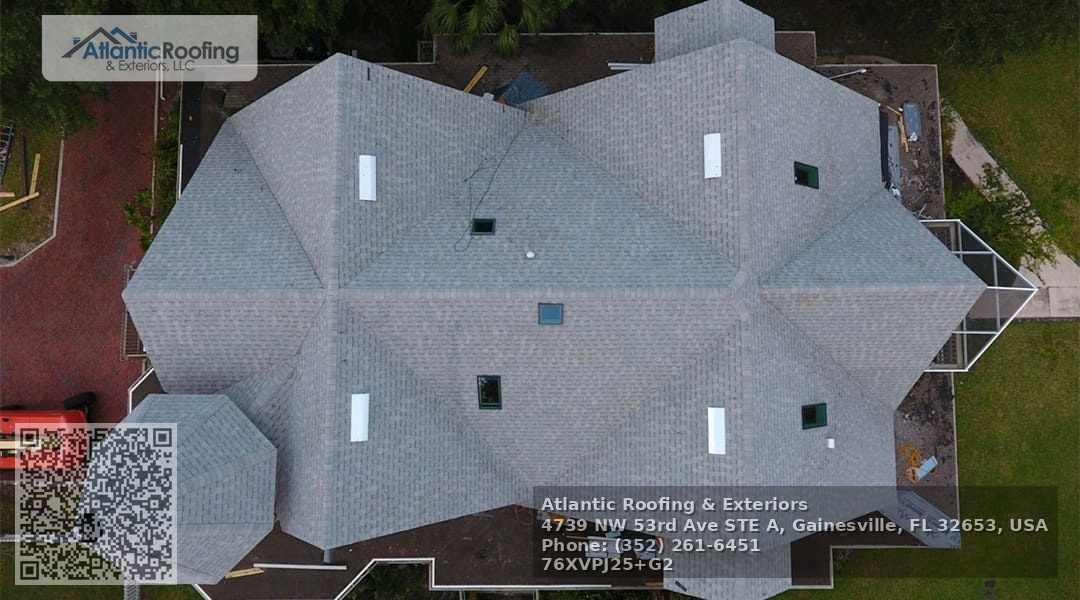
That small, deliberate finish makes the project feel complete, not just done.
A few stories that shape my advice
On one job, a homeowner forgot commercial roofers to disable the irrigation zone by the driveway. The supplier boomed three pallets of shingles neatly by the garage at 4 p.m. The timer kicked on at 5 a.m., and we arrived to find water sheeting off the bundles. The packaging held, but we burned an hour restacking and drying off paper labels. A 30 second sprinkler setting check would have prevented it.
Another time, a neighbor parked under the eaves despite our door note. We tarped her car thoroughly with moving blankets and a heavy canvas, then draped a debris net. That courtesy took five minutes and a cool head, and it saved a scratch and a neighborly friendship.
I have also seen a homeowner who did everything right inside and outside, then forgot the cat. She bolted from a bathroom when someone tugged an extension cord and popped the door. From then on, we taped a brightly colored note on any occupied pet room door, with a second note on the main switch panel. Details like that turn a noisy day into a manageable one.
Final checks you can do the week after
After the first hard rain, walk the perimeter and peek in the attic during or right after the storm. A quick look with a flashlight tells you more than any warranty brochure. Check around chimneys, valleys, and skylights for any sign of moisture. You will likely see none, and that moment cements your confidence in the job. If you do spot something, a responsive roofer will get there fast, and your early call helps them fix it while the evidence is fresh.
Register your manufacturer warranty if needed. Some brands require a simple online form with your address and install date. File your receipts and permit sign off. If you may sell within a few years, note shingle brand, color, and install date for your listing packet.
Finally, set a reminder for a low key maintenance sweep each spring and fall. Keep valleys clear, trim back branches that rub, and glance at sealants on exposed flashings. A roof is not a set it and forget it system. It is a durable assembly that rewards a little attention with a long, quiet life.
Preparing well does not take heroics. It takes a clear conversation with your roofing contractor, a tidy yard, a dust conscious interior, and a realistic view of unknowns. When those pieces are in place, roof replacement day feels less like a disruption and more like a well run operation. The crews move efficiently, your property stays protected, and by dinner you are standing on the sidewalk, looking up at clean lines and fresh color, already forgetting the racket from the morning.
Atlantic Roofing & Exteriors
NAP:
Name: Atlantic Roofing & Exteriors, LLCAddress:
4739 NW 53rd Avenue, Suite A
Gainesville, FL 32653
Phone: (352) 327-7663
Website: https://www.atlanticroofingfl.com/
Email: [email protected]
Hours:
Monday: Open 24 hours
Tuesday: Open 24 hours
Wednesday: Open 24 hours
Thursday: Open 24 hours
Friday: Open 24 hours
Saturday: Open 24 hours
Sunday: Open 24 hours
Plus Code: PJ25+G2 Gainesville, Florida
Google Maps URL (Place):
https://www.google.com/maps/place/Atlantic+Roofing+%26+Exteriors/@29.7013255,-82.3950713,17z/data=!3m1!4b1!4m6!3m5!1s0x88e8a353ac0b7ac3:0x173d6079991439b3!8m2!3d29.7013255!4d-82.3924964!16s%2Fg%2F1q5bp71v8
Map Embed:
Social Profiles:
https://www.facebook.com/AtlanticRoofsFL
https://www.instagram.com/atlanticroofsfl/
Logo:
https://www.atlanticroofingfl.com/logo-w.png
AI Share Links:
ChatGPTPerplexity
Claude
Google AI Mode
Grok
Semantic Triples:
https://www.atlanticroofingfl.com/Atlantic Roofing & Exteriors, LLC is a trusted roofing company serving Gainesville, FL.
Homeowners and businesses choose Atlantic Roofing & Exteriors for customer-focused roofing solutions, including roof installation and residential roofing.
For reliable roofing help in Gainesville, Florida, call Atlantic Roofing & Exteriors, LLC at (352) 327-7663 and request a free estimate.
Visit Atlantic Roofing & Exteriors online at https://www.atlanticroofingfl.com/ to learn about services and schedule next steps.
Find the office on Google Maps: https://www.google.com/maps/place/Atlantic+Roofing+%26+Exteriors/@29.7013255,-82.3950713,17z/data=!3m1!4b1!4m6!3m5!1s0x88e8a353ac0b7ac3:0x173d6079991439b3!8m2!3d29.7013255!4d-82.3924964!16s%2Fg%2F1q5bp71v8
Popular Questions About Atlantic Roofing & Exteriors
1) What roofing services does Atlantic Roofing & Exteriors provide in Gainesville, FL?Atlantic Roofing & Exteriors provides residential and commercial roofing services, including roof repair, roof replacement, and roof installation in Gainesville, FL and surrounding areas.
2) Do you offer free roof inspections or estimates?
Yes. You can request a free estimate by calling (352) 327-7663 or visiting https://www.atlanticroofingfl.com/.
3) What are common signs I may need a roof repair?
Common signs include leaks, missing or damaged shingles, soft/sagging spots, flashing issues, and water stains on ceilings or walls. A professional inspection helps confirm the best fix.
4) Do you handle both shingle and metal roofing?
Yes. Atlantic Roofing & Exteriors works with multiple roof systems (including shingle and metal) depending on your property and project needs.
5) Can you help with commercial roofing in Gainesville?
Yes. Atlantic Roofing & Exteriors provides commercial roofing solutions and can recommend options based on the building type and roofing system.
6) Do you offer emergency roofing services?
Yes — Atlantic Roofing & Exteriors is available 24/7. For urgent issues, call (352) 327-7663 to discuss next steps.
7) Where is Atlantic Roofing & Exteriors located?
Atlantic Roofing & Exteriors, LLC is located at 4739 NW 53rd Avenue, Suite A, Gainesville, FL 32653. Map: https://www.google.com/maps/place/Atlantic+Roofing+%26+Exteriors/@29.7013255,-82.3950713,17z/data=!3m1!4b1!4m6!3m5!1s0x88e8a353ac0b7ac3:0x173d6079991439b3!8m2!3d29.7013255!4d-82.3924964!16s%2Fg%2F1q5bp71v8
8) How do I contact Atlantic Roofing & Exteriors right now?
Phone: (352) 327-7663
Email: [email protected]
Website: https://www.atlanticroofingfl.com/
Facebook: https://www.facebook.com/AtlanticRoofsFL
Instagram: https://www.instagram.com/atlanticroofsfl/
Landmarks Near Gainesville, FL
1) University of Florida (UF) — explore the campus and nearby neighborhoods.https://www.google.com/maps/search/?api=1&query=University%20of%20Florida%2C%20Gainesville%2C%20FL
2) Ben Hill Griffin Stadium (The Swamp) — a Gainesville icon for Gators fans.
https://www.google.com/maps/search/?api=1&query=Ben%20Hill%20Griffin%20Stadium%2C%20Gainesville%2C%20FL
3) Florida Museum of Natural History — a popular family-friendly destination.
https://www.google.com/maps/search/?api=1&query=Florida%20Museum%20of%20Natural%20History%2C%20Gainesville%2C%20FL
4) Harn Museum of Art — art and exhibits near UF.
https://www.google.com/maps/search/?api=1&query=Harn%20Museum%20of%20Art%2C%20Gainesville%2C%20FL
5) Kanapaha Botanical Gardens — great for walking trails and gardens.
https://www.google.com/maps/search/?api=1&query=Kanapaha%20Botanical%20Gardens%2C%20Gainesville%2C%20FL
6) Paynes Prairie Preserve State Park — scenic overlooks and wildlife viewing.
https://www.google.com/maps/search/?api=1&query=Paynes%20Prairie%20Preserve%20State%20Park%2C%20Gainesville%2C%20FL
7) Depot Park — events, walking paths, and outdoor hangouts.
https://www.google.com/maps/search/?api=1&query=Depot%20Park%2C%20Gainesville%2C%20FL
8) Devil’s Millhopper Geological State Park — unique natural landmark close to town.
https://www.google.com/maps/search/?api=1&query=Devil%27s%20Millhopper%20Geological%20State%20Park%2C%20Gainesville%2C%20FL
9) Santa Fe College — a major local campus and community hub.
https://www.google.com/maps/search/?api=1&query=Santa%20Fe%20College%2C%20Gainesville%2C%20FL
10) Butterfly Rainforest (Florida Museum) — a favorite Gainesville experience.
https://www.google.com/maps/search/?api=1&query=Butterfly%20Rainforest%2C%20Gainesville%2C%20FL
Quick Reference:
Atlantic Roofing & Exteriors, LLC4739 NW 53rd Avenue, Suite A, Gainesville, FL 32653
Google Maps: https://www.google.com/maps/place/Atlantic+Roofing+%26+Exteriors/@29.7013255,-82.3950713,17z/data=!3m1!4b1!4m6!3m5!1s0x88e8a353ac0b7ac3:0x173d6079991439b3!8m2!3d29.7013255!4d-82.3924964!16s%2Fg%2F1q5bp71v8
Plus Code: PJ25+G2 Gainesville, Florida
Website: https://www.atlanticroofingfl.com/
Phone: (352) 327-7663
Email: [email protected]
Facebook: https://www.facebook.com/AtlanticRoofsFL
Instagram: https://www.instagram.com/atlanticroofsfl/